
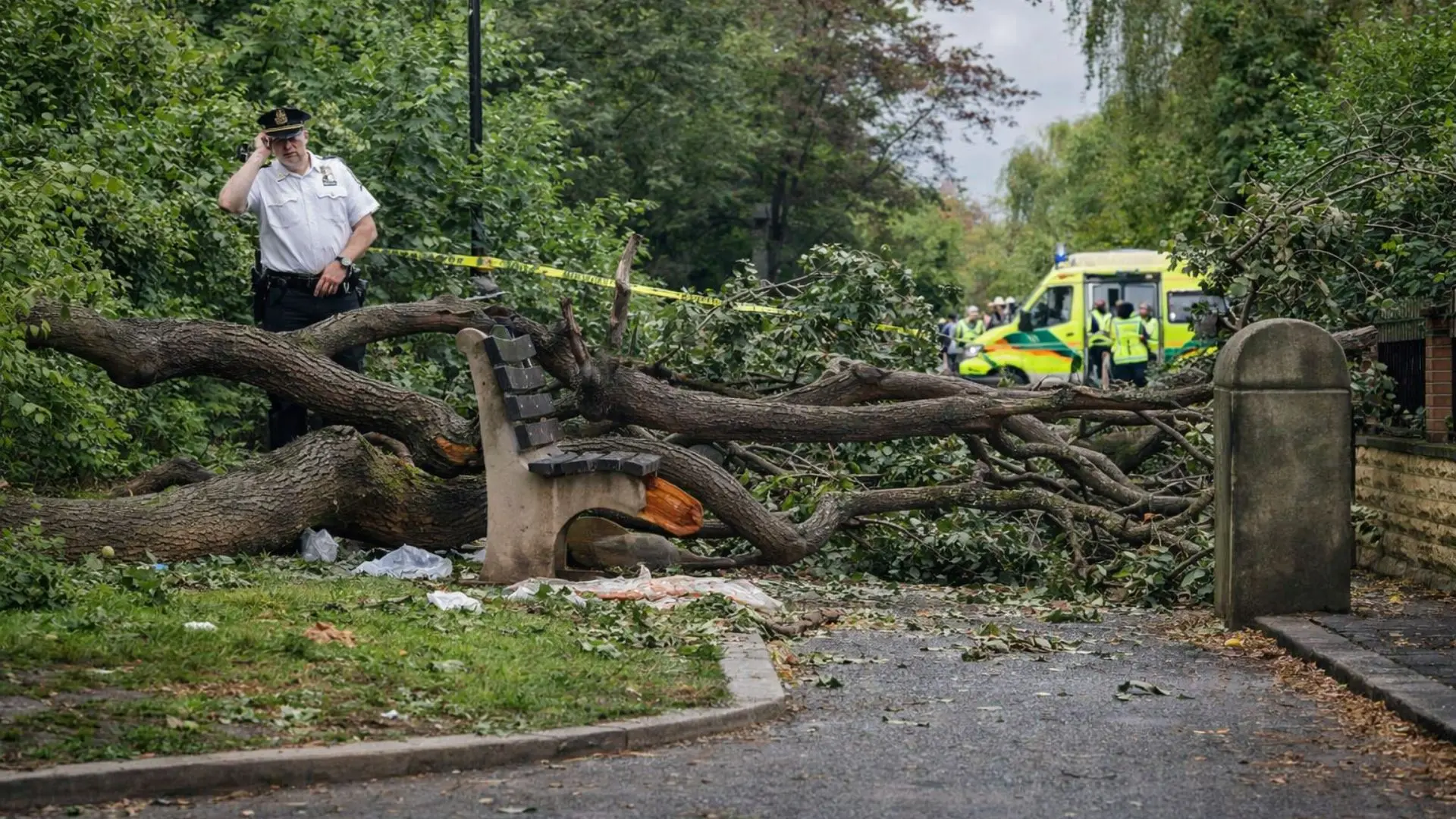
A woman has died after a tree branch crashed onto her vehicle near Wollongong, as severe weather continues to lash large parts of Australia’s east coast, bringing flash flooding, dangerous storms and widespread disruption.
The fatal incident occurred on Saturday afternoon along the Illawarra Highway at Macquarie Pass, a winding mountain road south-west of Wollongong. Emergency services were called after reports that a large tree branch had fallen onto a moving vehicle during intense weather conditions.
The female driver was pronounced dead at the scene. A male front-seat passenger sustained minor injuries, while two passengers seated in the rear escaped unharmed.
The tragedy unfolded amid a volatile weather system sweeping across New South Wales, triggering flash-flood warnings, beach closures and hundreds of calls for help to emergency services.
Severe Storms Sweep Across NSW
Dangerous thunderstorms and heavy rain moved rapidly across NSW throughout the day, affecting coastal and inland areas alike. Authorities issued flash-flood warnings as rainfall intensified, with conditions deteriorating quickly in several regions.
Beaches were closed both north and south of Sydney as authorities responded to hazardous surf and storm activity.
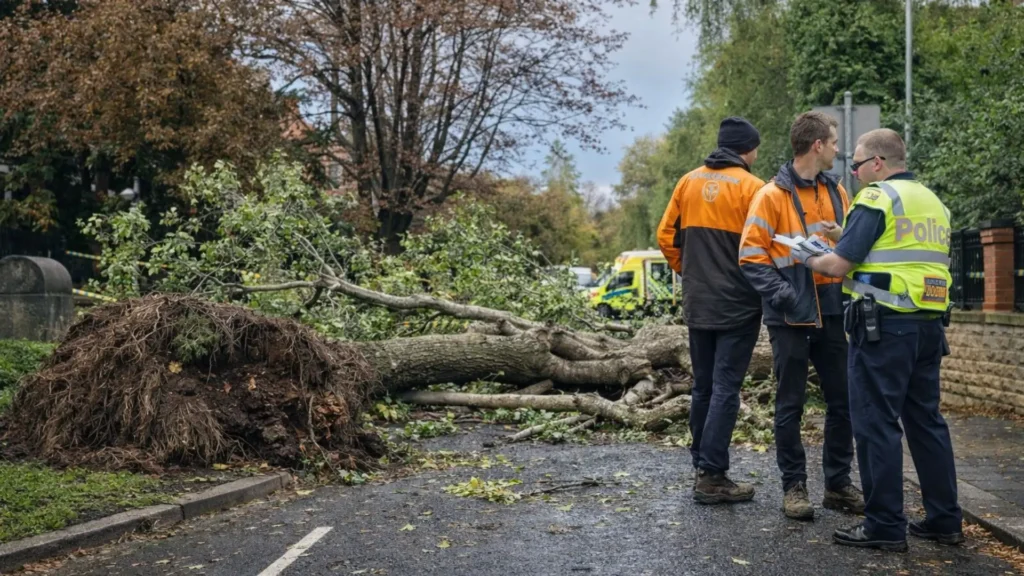
On the Central Coast, Ettalong was hit particularly hard, recording 93.5 millimetres of rain in just one hour. Nearby Pearl Beach saw even heavier falls earlier in the day, with 133 millimetres recorded over a two-hour period.
Other areas also experienced intense downpours. Gosford received 56.6 millimetres of rain within an hour, while Bensville recorded 66 millimetres. Koolewong was among the hardest hit, with 71 millimetres of rainfall reported.
The volume and speed of the rainfall placed immediate pressure on drainage systems, roads and local waterways, increasing the risk of flash flooding and falling debris.
Hundreds Seek Help as SES Responds Statewide
Since the severe weather began, more than 880 people have contacted the NSW State Emergency Service for assistance. The majority of calls have come from metropolitan areas, highlighting the widespread impact of the storm system.
NSW SES spokeswoman Emily Barton said the heavy rain had been felt across much of the state.
“We’ve got volunteers out responding as we speak to flood rescues and there’s several incidents of leaking roofs and trees down,” she said.
SES crews have been deployed to respond to a growing number of emergencies, including flood rescues, damaged homes and fallen trees blocking roads. Authorities have repeatedly urged motorists to avoid unnecessary travel, particularly through storm-affected and mountainous areas where falling branches and landslides pose serious risks.
South-East Queensland Also on Alert
The severe weather has not been limited to NSW. South-east Queensland has also been placed on high alert, with warnings issued for flash flooding, damaging winds and large hailstones as a band of thunderstorms moves east toward Brisbane.
Falls of up to 60 millimetres in just 30 minutes were reported in parts of the Lockyer Valley and Darling Downs, underscoring the intensity of the storm cells.
Emergency services in Queensland have been closely monitoring conditions as storms track toward more densely populated areas, with residents urged to stay informed and prepare for rapidly changing weather.
Victoria Begins Clean-Up After Extreme Rainfall
Further south, communities in Victoria have begun clean-up efforts after torrential rain caused rivers to rise rapidly in popular holiday destinations along the Great Ocean Road.
Read also – Three-Month BOM Radar Outage Raises Alarm for WA Farmers Before Planting
The Wye, Kennett and Cumberland rivers overflowed after being quickly overfilled by heavy rainfall, sending large volumes of water downstream. Campgrounds were inundated, vehicles were overturned, and significant damage was reported across affected areas.
Authorities estimate that between 10 and 20 vehicles were lost, with multiple cars still stranded in the surf. Some vehicles were swept from campgrounds or parking areas as water levels rose with little warning.
More than 178 millimetres of rain fell in the region over a six-hour period. The Lorne weather station recorded its highest 24-hour rainfall total since records began in 1884, highlighting the scale of the event.
Disaster Assistance Announced for Affected Communities
In response to the flooding in Victoria, disaster assistance has been announced for affected communities. Funding has been made available to local councils to support emergency relief centres and provide immediate assistance to residents impacted by the extreme weather.
Read also –Greenland Crisis: European Troops Deploy as Trump Renews US Claim
Authorities across all affected states continue to monitor conditions closely, warning that further storms and heavy rainfall may still pose risks in the coming days.
A Stark Reminder of Extreme Weather Risks
The death of the woman at Macquarie Pass serves as a sobering reminder of how dangerous extreme weather can be, particularly when storms strike with little warning.
Read also –New UK Passport Rules Leave Australians Facing Missed Family Moments and Cancelled Trips
Emergency services are urging Australians to remain vigilant, avoid flooded roads, and heed weather warnings as volatile conditions persist across large parts of the country.
As climate-driven weather extremes continue to affect communities nationwide, authorities stress that preparation, caution and timely response remain critical to keeping people safe during severe weather events.