
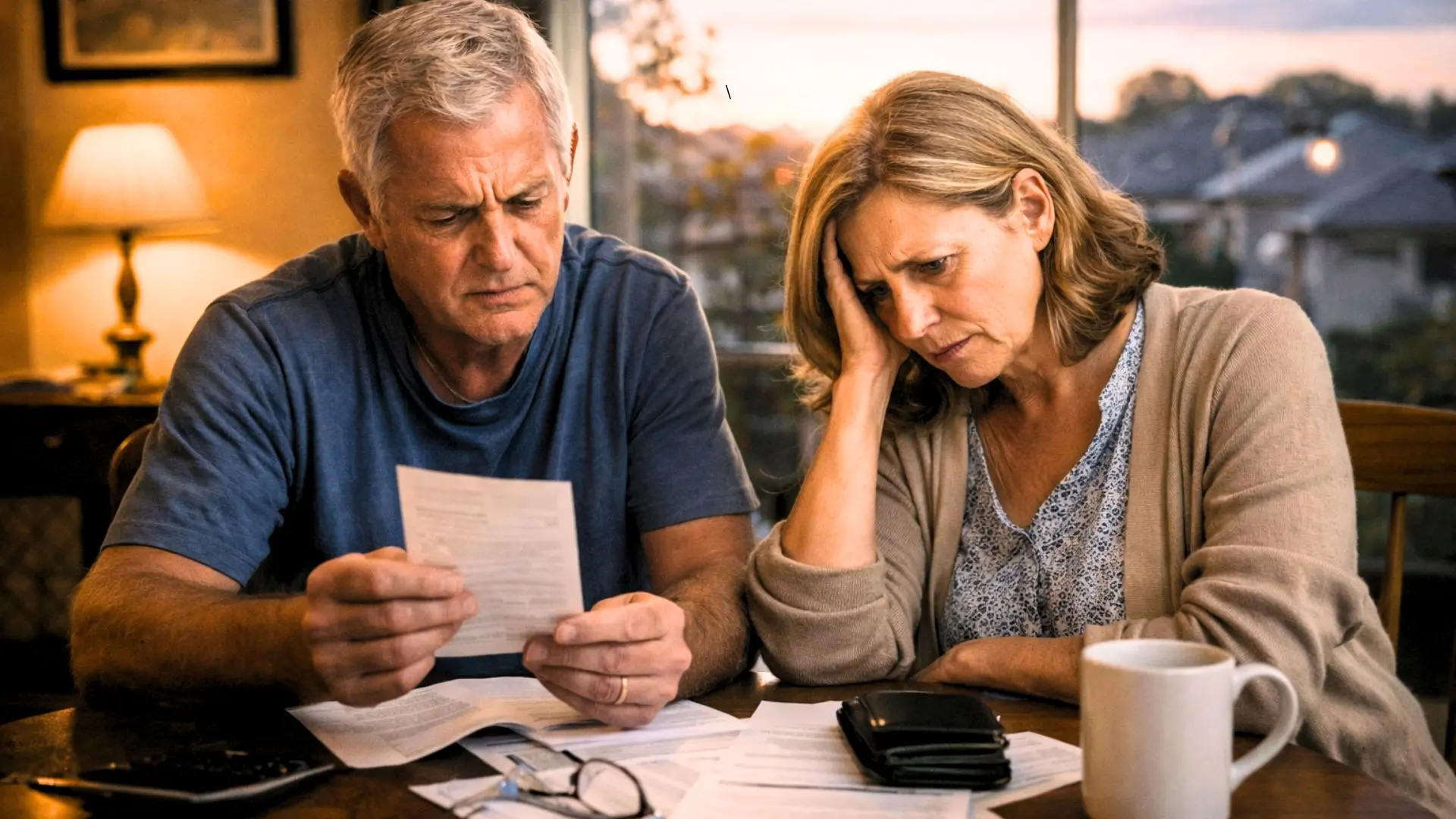
For years, retirement in Australia was pictured as a slower, simpler chapter. A modest home, a bit of travel, lunches with friends, helping with the grandkids. Nothing flashy. Just comfortable. These days, that picture is getting harder to afford.
You hear it when retirees talk quietly over coffee, or when people in their 40s and 50s joke — half-serious — that they’ll be working forever. The cost of a “comfortable” retirement has climbed again, and it’s starting to rattle a lot of Australians who thought they were doing okay.
This isn’t about luxury lifestyles. It’s about everyday comfort. And right now, that comfort is getting more expensive by the year.
The number that’s making people uneasy
Recent retirement estimates show the cost of living comfortably in retirement has hit record levels. For couples, it now takes a surprisingly large nest egg to cover housing, food, health, transport, and the odd holiday. Singles aren’t far behind.
On paper, these are just figures. In real life, they translate to a simple question many Aussies are asking: “Will my money actually last?”
A comfortable retirement today doesn’t mean overseas trips every year or fine dining every weekend. It means keeping the lights on without stress, running the car, paying medical bills, and still having room to enjoy life a bit. And even that baseline is becoming harder to reach.
Rising costs are the main culprit. Groceries don’t magically get cheaper when you retire. Power bills still arrive. Insurance premiums don’t care that you’re no longer working. Health costs, if anything, go up.
Add it all together, and retirement now looks very different to how it did even a decade ago.
Why Australians are suddenly talking about retirement again
There’s been a noticeable shift in conversation lately. Retirement isn’t just a topic for older Aussies anymore. Younger workers are paying attention too.
Scroll through finance forums or social media, and you’ll see the same concerns pop up. People ask if their super balance is “enough.” Others worry about outliving their savings. Some admit they’ve stopped looking at their super statements because it makes them anxious.
For many, the shock comes when they actually sit down and do the maths. What felt like a solid balance suddenly doesn’t stretch as far once future costs are factored in.
Home ownership plays a big role here. Retirees who own their home outright are still feeling the pinch, but renters face a much steeper climb. Paying rent into your 70s or 80s, especially with prices rising, is a scary thought — and one that’s becoming more common.
Even those who planned carefully are being caught out by how fast costs have risen. Inflation over the past few years has eaten into purchasing power, and returns haven’t always kept up.
The everyday expenses that don’t disappear
One of the biggest misconceptions about retirement is that expenses drop sharply once work stops. Some do, sure. No daily commute. Fewer work lunches. But many others stick around — or grow.
Health is the obvious one. GP visits, specialists, medications, physio, dental work — none of it is cheap, and Medicare doesn’t cover everything. As people age, these costs tend to rise, not fall.
Transport is another. Many retirees still rely on their car, especially outside major cities. Fuel, servicing, registration, insurance — it all adds up. Public transport isn’t always a practical alternative.
Then there’s the house itself. Maintenance doesn’t stop just because you’re retired. Hot water systems break. Roofs need fixing. Councils still send rates notices.
Add in everyday living costs like food, utilities, phone bills, and the occasional social outing, and it’s clear why the idea of a “comfortable” retirement now carries a higher price tag.
A changing retirement reality across Australia
This isn’t happening in a vacuum. Australia’s retirement landscape is shifting.
People are living longer, which is good news — but it also means savings need to last longer. A retirement that once spanned 15 or 20 years can now stretch to 30 or more.
At the same time, the cost of housing has reshaped everything. Those who bought homes decades ago are sitting on valuable assets, but that doesn’t always translate to usable income. Downsizing isn’t as simple as it sounds, and many don’t want to leave their communities.
Read also – Coffee While Driving in Australia Could Now Cost You Up to $1,100 Under Stricter Road Rules
Meanwhile, more Australians are reaching retirement age without owning a home at all. That’s a massive change from previous generations and one that makes retirement far more expensive and uncertain.
Superannuation has helped, but it was never designed to shoulder all the pressure on its own. And for people who had time out of the workforce — carers, parents, casual workers — balances can be lower than expected.
What happens next won’t be simple
There’s no quick fix for rising retirement costs. And no single policy change will suddenly make golden years affordable again.
What’s more likely is a gradual adjustment. People working longer, either by choice or necessity. Retirees supplementing income with part-time work. Households reassessing what “comfortable” really means.
Financial advice is becoming more important, but also more sought after — and not always affordable. Some are turning to community groups and online forums for guidance, sharing tips and experiences.
There’s also growing discussion about how Australia supports older citizens more broadly. Housing, healthcare, and aged care costs are now front and centre in national conversations, and they’re not going away.
A quieter worry beneath the surface
What stands out most isn’t panic. It’s a concern.
Most Australians aren’t expecting luxury in retirement. They just want stability. A sense that after decades of work, they won’t be constantly counting dollars or stressing about the next bill.
Right now, that certainty feels shaky for many.
You see it when people say they’ll “wait another year” before retiring. Or when they talk about cutting back plans they once assumed were a given. Or when they admit, quietly, that they’re not sure their savings will be enough.
Retirement in Australia is still something many look forward to. But it’s no longer taken for granted.
As costs continue to rise, the idea of a comfortable set of golden years is being redefined — not by dreams of luxury, but by the simple hope of feeling secure.