
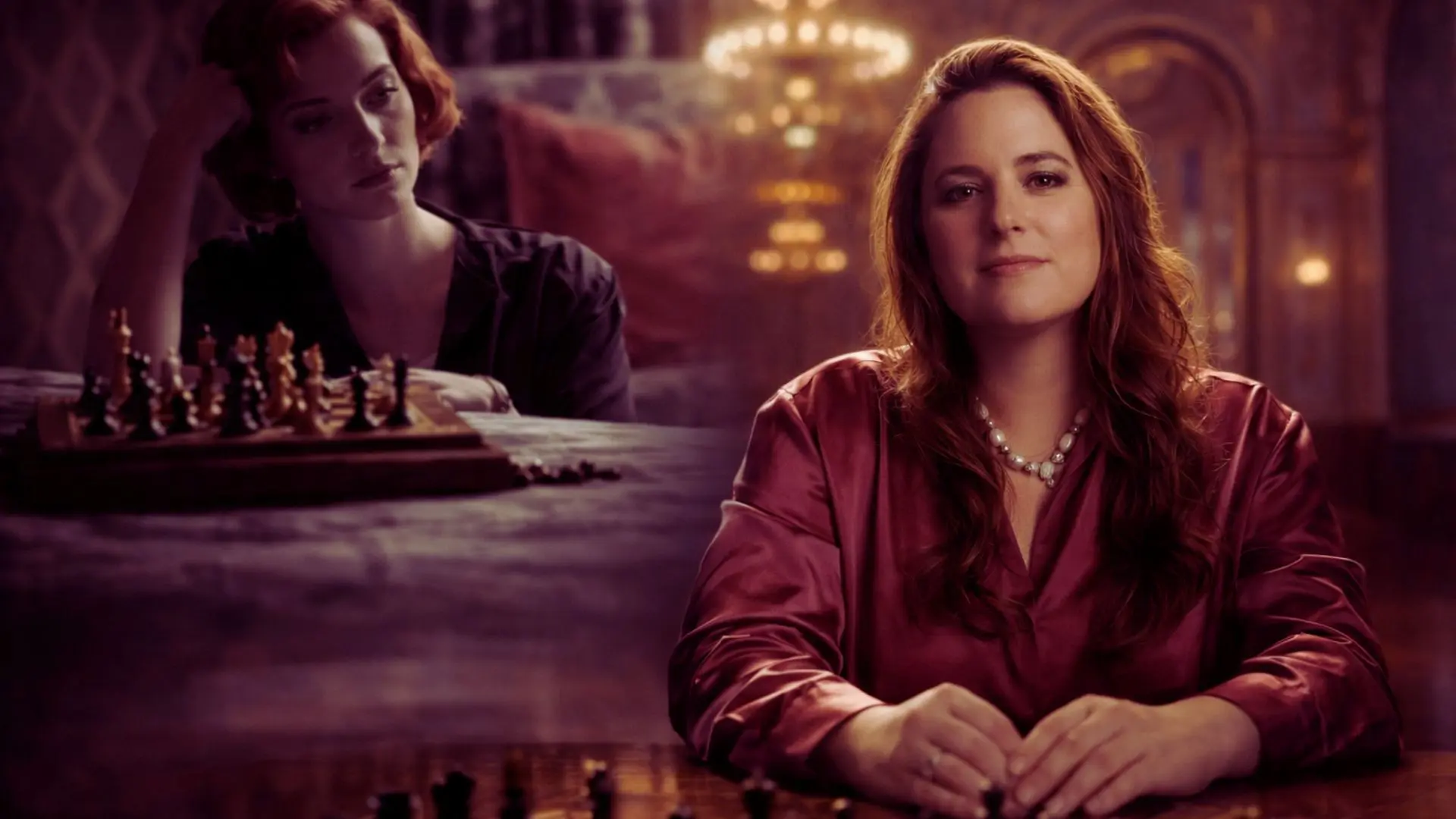
Queen of Chess Review : Netflix’s Queen of Chess tells the story of Judit Polgár, one of the most influential figures in chess history, and a woman who spent her career challenging a game built to exclude her. Directed by Rory Kennedy, the documentary celebrates Polgár’s rise from child prodigy to international champion, framing her journey through her historic rivalry with Garry Kasparov. While the film is inspiring and accessible, it often chooses admiration over interrogation, leaving some of the most complicated questions only lightly explored.
Queen of Chess Review : The Experiment That Shaped a Champion
At the center of Judit Polgár’s story is an idea her father, László Polgár, openly called an “experiment.” He believed brilliance was taught, not inherited. Acting on that belief, he withdrew his three daughters—Susan, Sofia, and Judit—from school in early-1980s Hungary and devoted their lives to chess.
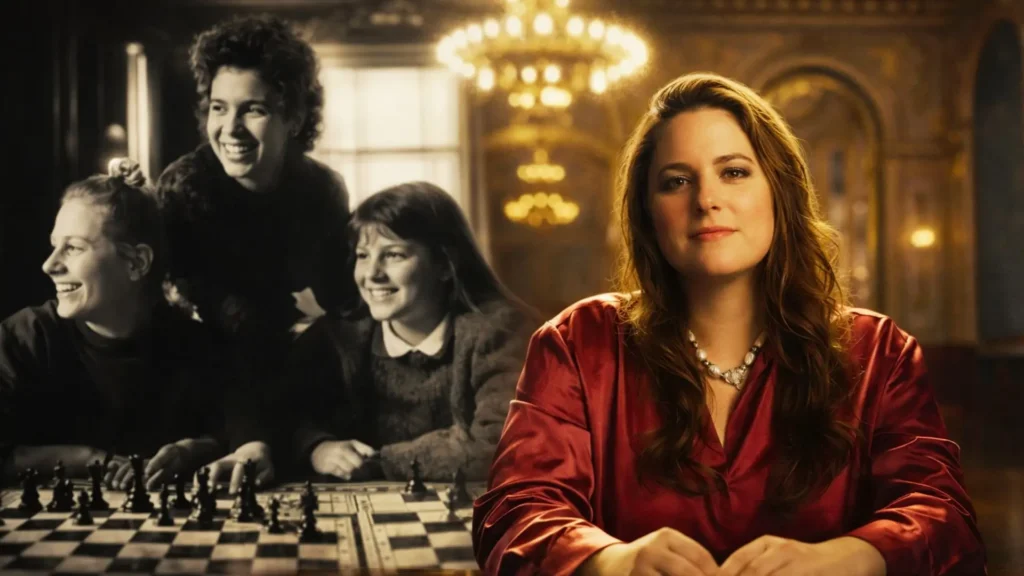
From a young age, Judit trained up to nine hours a day, without holidays or weekends. The family lived modestly under a communist regime but invested everything they had into private coaching. Tournament after tournament, the Polgár sisters dismantled male-dominated chess circles, forcing a reluctant establishment to take notice. László insists the girls enjoyed the process, though the film quietly leaves room for skepticism.
Judit Polgár’s Rise in a Sexist Chess World
Judit herself recalls loving the feeling of power that came with winning. By six, she had already developed the aggressive, attacking style that would define her career. Her ascent occurred during a time when prominent figures like Bobby Fischer openly questioned women’s intelligence, and when Soviet dominance shaped the global chess hierarchy.
Despite resistance from Hungarian authorities—who disapproved of homeschooling and the family’s insistence on gender equality—the Polgár sisters broke through internationally. Their victory over the Soviet team at the 1988 Chess Olympiad in Greece turned them from political outcasts into national heroes overnight.
Among the sisters, Judit stood apart. By 12, she was the top-ranked female chess player in the world. At 15, she became the youngest grandmaster in history, surpassing Fischer’s record. She achieved these milestones by refusing to compete in women-only tournaments, choosing instead to challenge the best players regardless of gender.
The Kasparov Rivalry That Defined an Era
The documentary’s emotional backbone is Judit’s long and complicated rivalry with Garry Kasparov, the dominant chess figure of the era. Their first match in 1994 at the prestigious Linares tournament resulted in the infamous “touch-move controversy,” when Kasparov illegally adjusted a piece mid-play. Judit noticed but stayed silent, later losing the game. Video evidence eventually confirmed the violation.
For years, Judit continued to face Kasparov and continued to lose. Her record against him stood at 0–14, a statistic that weighed heavily on her legacy. But in 2002, she finally defeated him in a match that symbolized far more than a single win—it represented perseverance, legitimacy, and long-overdue respect.
A Documentary That Chooses Celebration Over Confrontation
Queen of Chess succeeds as an accessible overview of Judit Polgár’s achievements, but it rarely lingers on the ethical complexity of her upbringing. László Polgár’s methods are described by critics as controlling and extreme, yet the film largely sidesteps sustained examination of those concerns.
Kennedy appears to prioritize participation over provocation, offering only brief acknowledgment of the darker implications of treating childhood like a scientific trial. Judit herself responds diplomatically when asked about her father’s influence, maintaining composure rather than offering emotional clarity. The nature of their relationship today remains largely unexplored.
Strengths in Storytelling and Tone
Where the documentary shines is in keeping Judit, not her father, at the center of the narrative. The film avoids the trap of glorifying parental ambition at the expense of the subject’s agency. Judit comes across as grounded, thoughtful, and refreshingly free of performative inspiration.
Read also – How The Lincoln Lawyer Season 4 Ends — Mickey Haller’s Most Personal Case Yet
Kennedy enhances the film with archival footage, energetic commentary, and just enough chess explanation to engage viewers unfamiliar with the game. Riot-grrrl music choices and animated commentary from chess personalities keep the pacing lively without resorting to tired feminist clichés.
Final Verdict: Stream It or Skip It?
Queen of Chess doesn’t dig as deeply as it could, leaving important questions about control, consent, and childhood ambition only partially answered. Still, as a celebration of Judit Polgár’s groundbreaking career and resilience in a hostile environment, it works remarkably well.
Read also – Laneway Festival 2026 Merchandise Prices and Designs Revealed Ahead of Opening Day
For viewers looking for an inspiring, informative introduction to one of chess’s most important figures, this documentary delivers.