
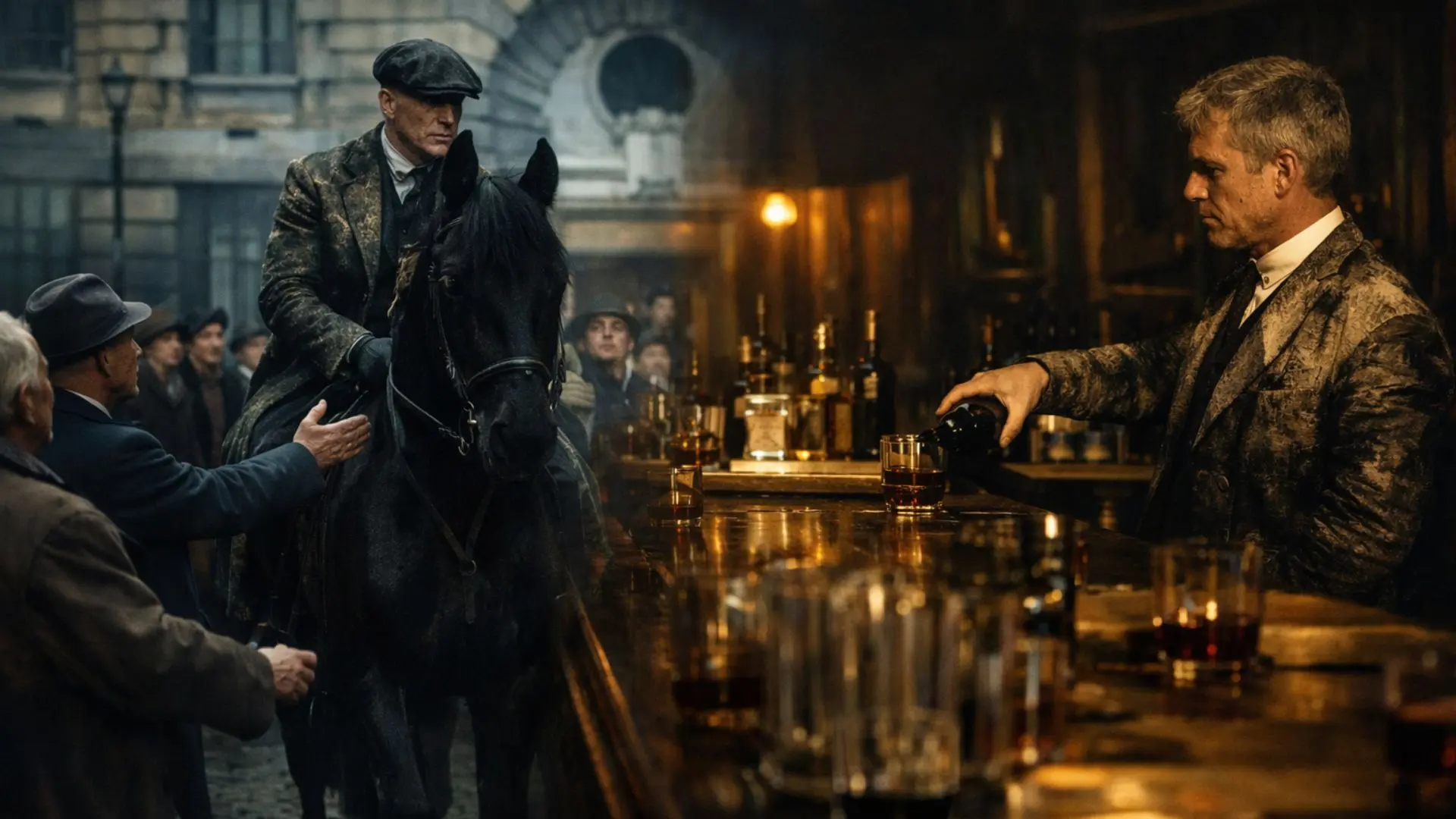
Peaky Blinders Movie Release Date news has finally arrived alongside the first official trailer, signaling a dramatic shift in scale and tone for the beloved franchise. The newly released footage brings the story back to wartime Britain, placing Tommy Shelby in a far more reflective and conflicted phase of his life. With a planned March cinema debut, followed by a streaming release later in the month, early glimpses of casting, atmosphere, and locations suggest this film is not a simple continuation of Peaky Blinders, but a bold reinvention of the saga—one shaped by war, legacy, and the consequences of power.
Why the Film Returns to 1940 — and What That Changes
Setting the story in 1940 reshapes the familiar world of gang rivalries into something far more consequential. Wartime pressure reframes old conflicts through the lens of national survival, forcing Tommy to confront both personal regret and the legacy he left behind during self-imposed exile.
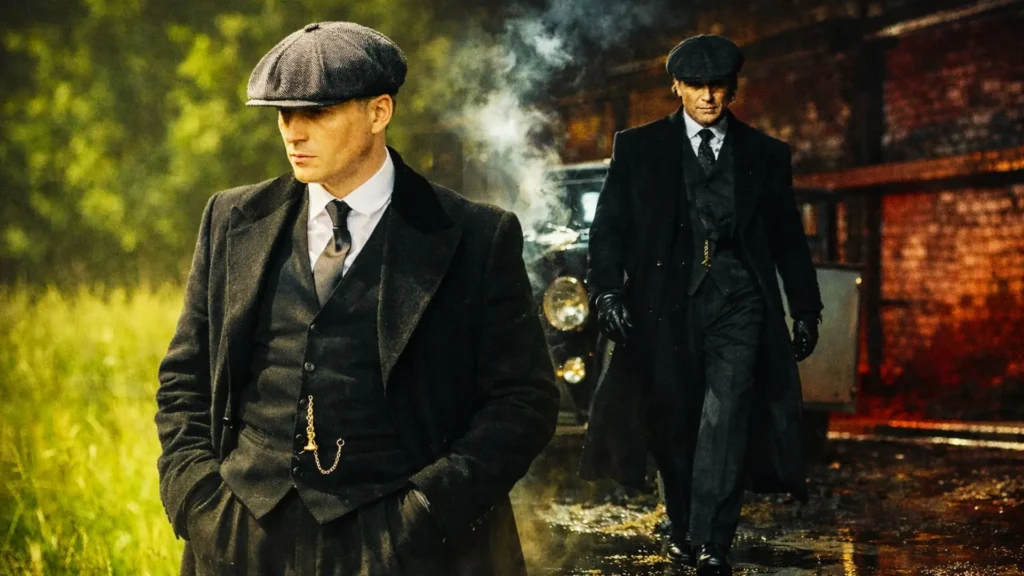
Rather than presenting him as the untouchable strategist audiences remember, the trailer positions Tommy as a man returning to a city — and a family — that has learned to function without him. His grown firstborn son is now running the organization, transforming the power structure from a single commanding figure into a divided household wrestling with authority, inheritance, and identity.
This generational tension becomes central to the drama, suggesting the film is less about conquest and more about whether the Shelby legacy deserves to survive at all.
Peaky Blinders Movie Release Date – Trailer Signals a Darker, More Reflective Tone
The two-minute preview leans heavily on atmosphere rather than plot revelation:
- Tommy appears older and visibly worn, moving through a changed Small Heath.
- Thick mist, damaged interiors, and slow pacing suggest a haunted return rather than a triumphant one.
- Dialogue hints at accusations of abandonment and questions about loyalty, family, and responsibility.
- The son’s commanding presence signals a shift from mastermind storytelling to fractured leadership.
The imagery emphasizes erosion — of power, certainty, and even identity — aligning the personal story with the broader uncertainty of wartime Britain.
How Calke Abbey Shapes the Film’s Visual World
Production made striking use of Calke Abbey, a historic Derbyshire estate known for its naturally weathered appearance. Its layered interiors and faded grandeur required minimal modification to evoke a country house in decline, perfectly matching the film’s themes.
Several spaces were used for key scenes:
- Ground-floor corridors and service areas
- Kitchen and schoolroom settings
- A former nursery adapted for dramatic sequences
- Stable yards transformed to showcase period vehicles
To prepare the location, the estate team carefully relocated and later reinstated more than 1,300 historic objects — a process that took hundreds of hours and underscored the production’s commitment to authenticity.
Read also – Wonder Man Season 2 Release Date – Cast and What Could Happen Next
This decaying elegance mirrors the story itself: a once-dominant family confronting the fragility of its own history.
A Story About Legacy Rather Than Expansion
The film appears to deliberately move away from the tightly focused crime narrative of the television series and toward a broader wartime drama. Family decisions are framed against national crisis, elevating personal rivalries into questions about leadership, morality, and survival under pressure.
Read also – Night Agent Season 3 finale
Instead of simply extending earlier plotlines, the creative direction suggests a thematic reset — examining how power passes from one generation to the next, and whether it should.
Peaky Blinders Movie Release Date
- Theatrical Release: Early March
- Streaming Launch: Later the same month
- Setting: Britain, 1940, during the height of wartime uncertainty
- Narrative Focus: Tommy’s return, generational conflict, and the cost of legacy
The dual-release strategy reflects confidence in the film’s cinematic scale while maintaining accessibility for longtime viewers.
What the Trailer Doesn’t Reveal — Yet
Importantly, the trailer avoids resolving its central conflict. Instead, it establishes tone, relationships, and stakes, leaving the ultimate reckoning between father, son, and history deliberately unclear.
The real test will come when audiences see whether this shift from intimate crime drama to widescreen historical storytelling feels like evolution — or rupture.
FAQ
1. Does the movie continue directly from the series timeline?
Yes, but it jumps forward, using the wartime setting to explore consequences rather than revisit earlier conflicts.
2. Is Tommy Shelby still the central character?
He remains the emotional core, but the story shares focus with the next generation, especially his son’s leadership role.
3. Will the film feel different from the TV show?
Expect a larger scale, heavier historical atmosphere, and more emphasis on legacy and national context.
4. Why was an aged country estate chosen as a major location?
Its natural decay visually reinforces themes of fading power, memory, and inheritance.
5. Does the trailer reveal the ending?
No. It sets mood and stakes while keeping the final resolution intentionally hidden.