
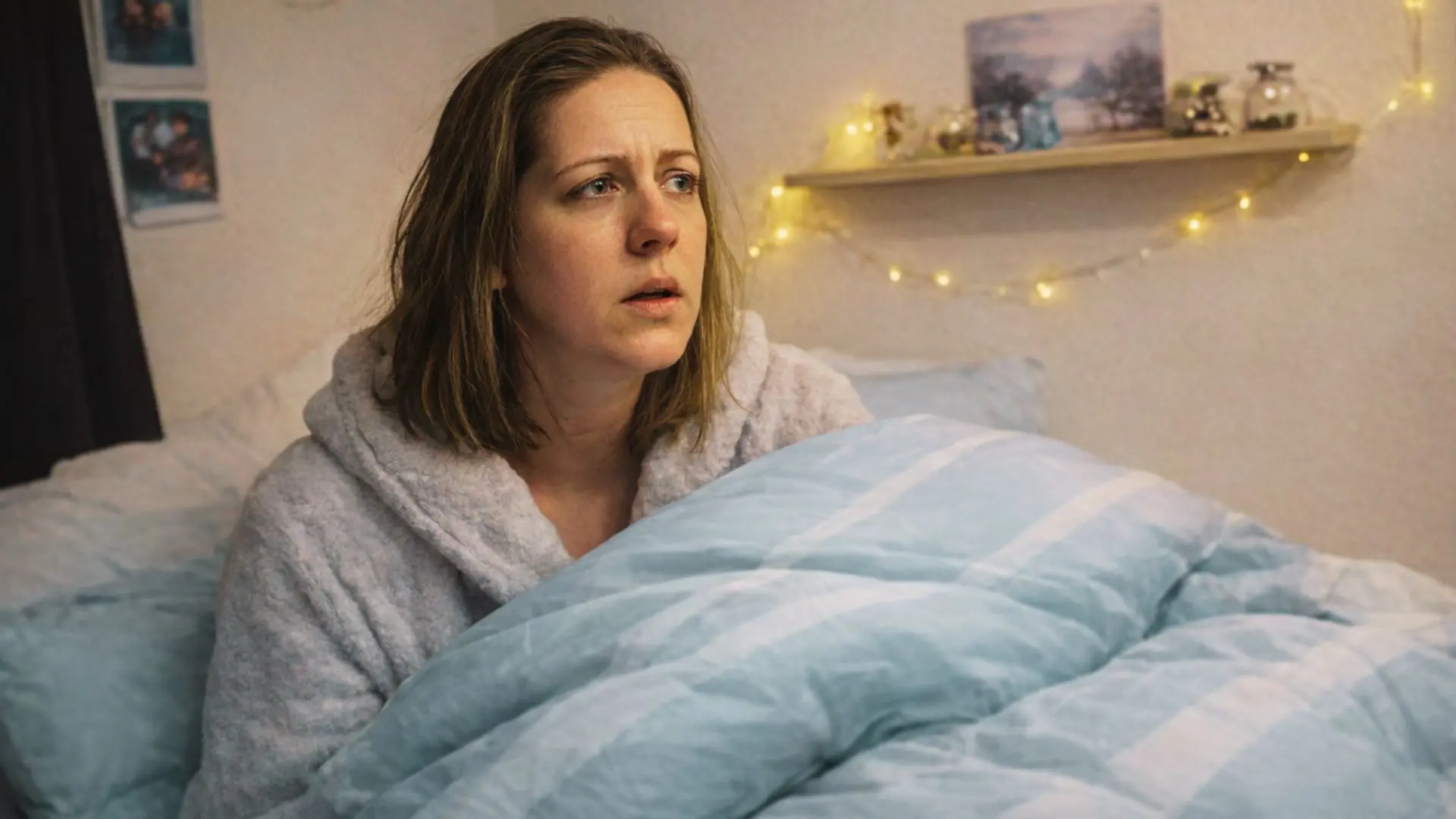
Lucy Letby documentary reveals that shortly after she was sentenced to 15 whole-life terms for murdering seven infants and attempting to murder seven others between June 2015 and June 2016—becoming Britain’s most notorious child serial killer—Cheshire police granted the makers of the Netflix film “unparalleled and exclusive access” to the case.
The resulting film, The Investigation of Lucy Letby, released on Wednesday, is markedly different from what its producers likely anticipated when filming began. Since Letby’s two trials, the prosecution’s evidence and the police handling of the investigation have come under intense scrutiny from an unusually large group of respected British and international medical experts. Many, led by Canadian neonatologist Dr Shoo Lee, now argue that Letby is innocent and that her conviction represents a profound miscarriage of justice. Lee reiterates in the documentary that his research was misused to help secure her conviction.
These experts’ conclusions stand in direct opposition to those relied upon by Cheshire police and later the Crown Prosecution Service, whose case was led early on by retired paediatrician Dr Dewi Evans.
In the documentary, Evans recounts how, in May 2017, he read a Guardian report announcing a criminal investigation into baby deaths at the Countess of Chester hospital. He promptly contacted the police, describing it enthusiastically as “my kind of case.” What the film fails to fully convey is how exceptional Evans’ conclusions were. Prior investigations—including postmortems, an inquest, internal hospital reviews, an inspection by the Royal College of Paediatrics and Child Health, and assessments by external consultants—had found no evidence of deliberate harm. Evans, reviewing the same material, reached a radically different conclusion.
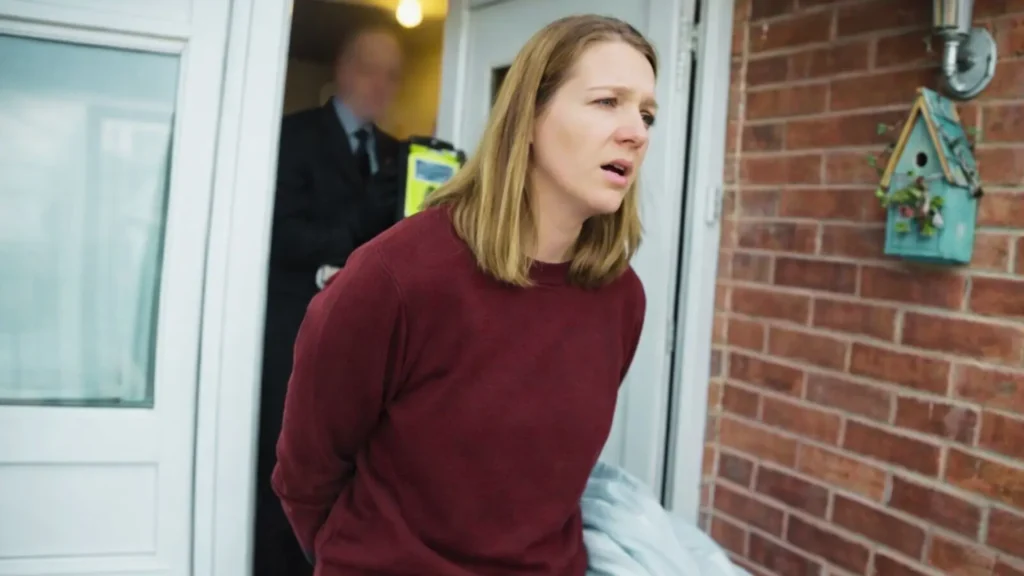
There is little indication that police sought further independent expert opinion at that early stage or returned to the original pathologists to reassess Evans’ novel diagnoses. Detective Superintendent Paul Hughes describes the moment in stark terms: “It was that sickening reality, that this could be murder of a baby. The next question we had to answer was: by who?”
Although police promised “never before seen” footage, none of it adds materially to the evidence, which was already presented at trial. Instead, much of it consists of extended scenes from Letby’s three arrests. This footage—showing her distressed in her own home, and later at her parents’ house in Hereford—has drawn criticism, including from her parents, for being intrusive and breaching her privacy.
The documentary revisits familiar prosecution evidence, including shift charts linking Letby to 25 “suspicious incidents.” Limited context is provided for the ominous framing of her retaining handover sheets or searching for parents on Facebook. More care is given to Letby’s handwritten notes, which included statements such as “I am evil, I did this” alongside declarations of innocence and fear. While prosecutors characterised these as confessions, they were contradictory and written during a period of mental distress after Letby had been removed from her role and encouraged to write down her thoughts during counselling.
Letby never confessed and is shown consistently denying the accusations during police interviews, repeatedly stating that she loved her job.
Dr Shoo Lee appears in the film at his Alberta farm before travelling to London for a press conference in February 2025, which he concluded bluntly: “Ladies and gentlemen, we didn’t find any murders.” His expert panel attributed the babies’ deaths to natural medical causes and systemic failures in care.
One mother, featured anonymously, agrees that the hospital failed her baby, who died after her waters broke and antibiotics were delayed. Yet she also recalls being told her baby was improving—highlighting the painful ambiguity that continues to surround the case.
Read also – The Night Manager Season 2 Episode 6 Review: A Brutal Finale Where No One Is Safe
Detective Superintendent Hughes expresses no doubt about the convictions and does not directly engage with the expert criticism. The most striking moment instead comes from Dr John Gibbs, a consultant at the Countess of Chester hospital.
Read also –Fallout Season 2 Finale series Review : A Journey Through “The Strip”
“I live with two guilts,” he says. “Guilt that we let the babies down, and a tiny, tiny guilt—did we get the wrong person?” Though he ultimately says he does not believe there was a miscarriage of justice, his admission appears to mark the first public expression of doubt from a doctor involved in the case.