
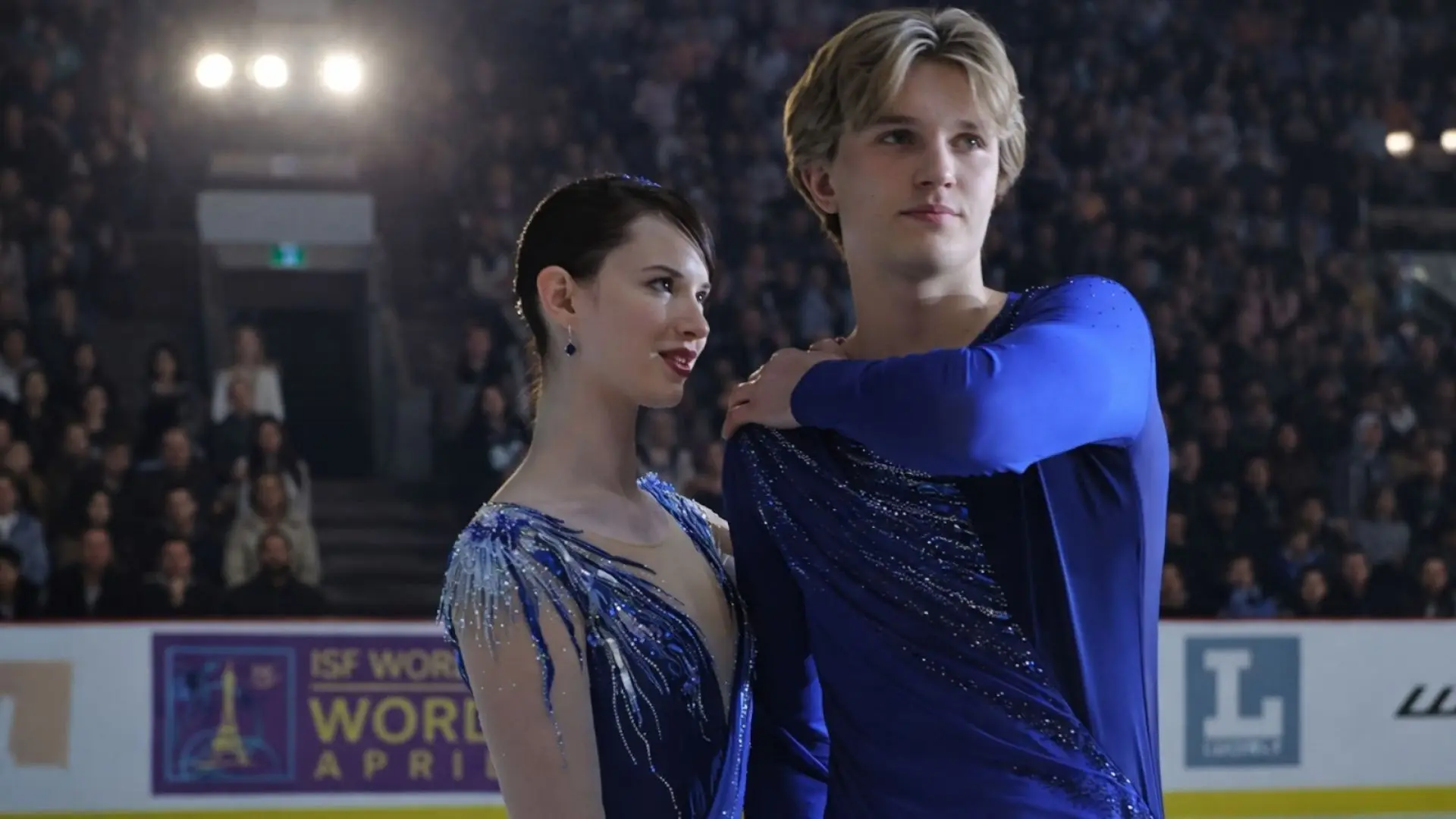
Some Netflix shows are designed to demand your attention — Finding Her Edge is more interested in quietly earning it. Set against the chilly world of elite ice dancing, this YA drama blends grief, ambition, and slow-burn romance into a series that’s easy to slip into but hard to fully dismiss. It’s the kind of show that starts in the background and slowly pulls you closer, especially once emotions begin cracking beneath the polished routines.
Adapted by Jeff Norton from Jennifer Iacopelli’s novels, the series follows Adriana Russo (Madelyn Keys), a once-promising ice dancer who walked away from the sport after the sudden death of her mother. Two years later, she’s pulled back onto the ice at a family-run rink on the brink of collapse, under the watchful eye of her emotionally distant father, former Olympic skater Will Russo (Harmon Walsh). As old wounds resurface and pressure mounts, Adriana must decide whether returning to the ice will finally help her heal — or break her all over again.
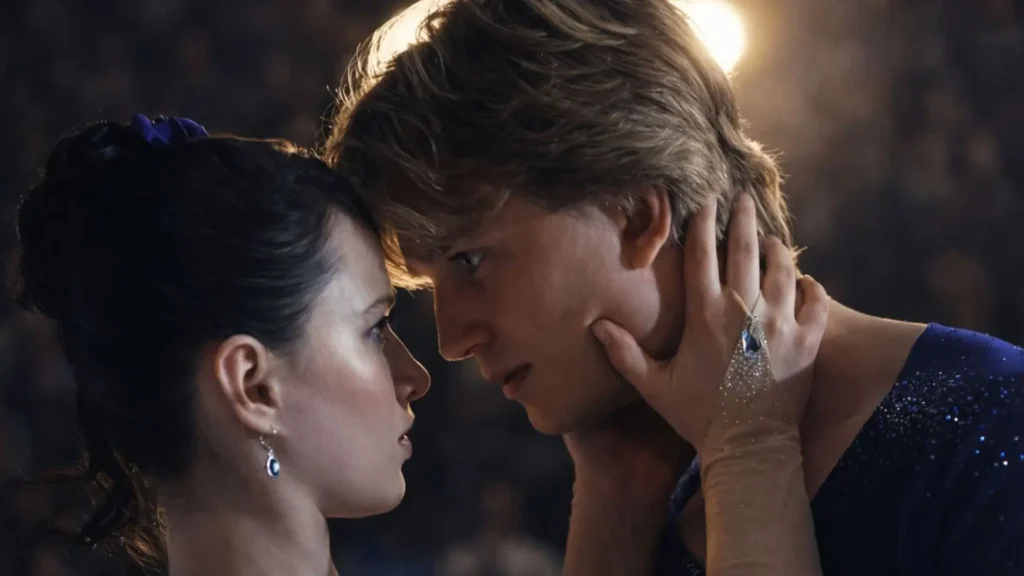
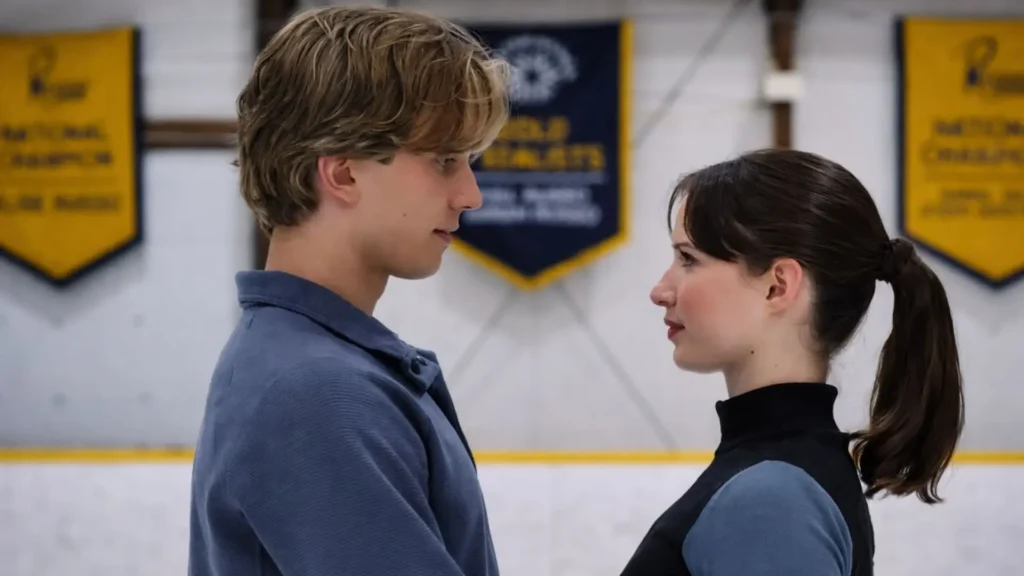
That salvation is supposed to come from Elise, the high-achieving eldest sister played by Alexandra Beaton, who’s chasing Olympic glory and the sponsorships attached to it. When injury knocks Elise off course, the spotlight swings back to Adriana, whether she’s ready or not. Enter Brayden, an arrogant, talented skater played by Cale Ambrozic, who’s positioned as the bad boy of the ice but mostly reads as mildly annoying. Their partnership—professional and otherwise—kicks off just as Adriana’s ex-boyfriend and former skating partner Freddie, played by Olly Atkins, moves into the Russo rink with a new partner: Riley, Adriana’s childhood best friend, portrayed by Millie Davis with a patience that borders on sainthood.
If all of this sounds familiar, that’s because it is. The show stacks its deck with the greatest hits of contemporary YA television: sibling rivalry, love triangles, fake dating, social media drama, and emotional confrontations that erupt and resolve at warp speed. It plays like a cousin to The Summer I Turned Pretty or My Life With the Walter Boys, only colder and with sequins.
Where Finding Her Edge distinguishes itself, at least slightly, is in its affection for ice dancing itself. The series lingers on the performances, selling the grace and athleticism even as the use of body doubles becomes impossible to ignore. Still, there’s something charming about how sincerely the show wants you to admire the sport, not just the smoldering looks exchanged mid-spin.
Read also – The 2026 Oscar Nominations Are Here — Full List of Nominees
That sincerity doesn’t always extend to the character work. Emotional beats land in broad strokes, but the closer you look, the messier things get. Adriana lectures Brayden about professionalism while making impulsive decisions of her own. Riley exists largely in a holding pattern, waiting for Adriana and Freddie’s unresolved feelings to combust. Will is framed as a devoted father, yet consistently dumps adult-sized responsibilities onto Adriana’s shoulders, as if she’s the only one in the family capable of keeping the lights on. The constant hot-and-cold dynamics make everyone feel a little unreliable, sometimes unintentionally so.
There are bright spots. The Russo sisters, when allowed to bond rather than compete, feel lived-in and believable. The rare moments when Brayden and Freddie drop their rivalry and act like actual humans are oddly refreshing. And Meredith Forlenza’s Camille, a coach and longtime family friend, emerges as the show’s emotional anchor, radiating warmth and patience in a way that makes you wish the series would slow down and follow her lead.
Read also – Night Patrol review : Corrupt cops, literal monsters, and the bleakest vampire movie in years
Ultimately, Finding Her Edge seems most comfortable as background comfort TV, bland but agreeable, never daring enough to truly irritate or surprise. It insists its characters are lovable even when their behavior suggests otherwise, smoothing over rough edges instead of leaning into them. If you’re craving a low-stakes distraction with pretty skating and safely packaged angst, it will glide by easily enough. But once the final episode fades out, there’s little urge to lace up and revisit the rink—and that, more than anything, feels like a missed jump.