
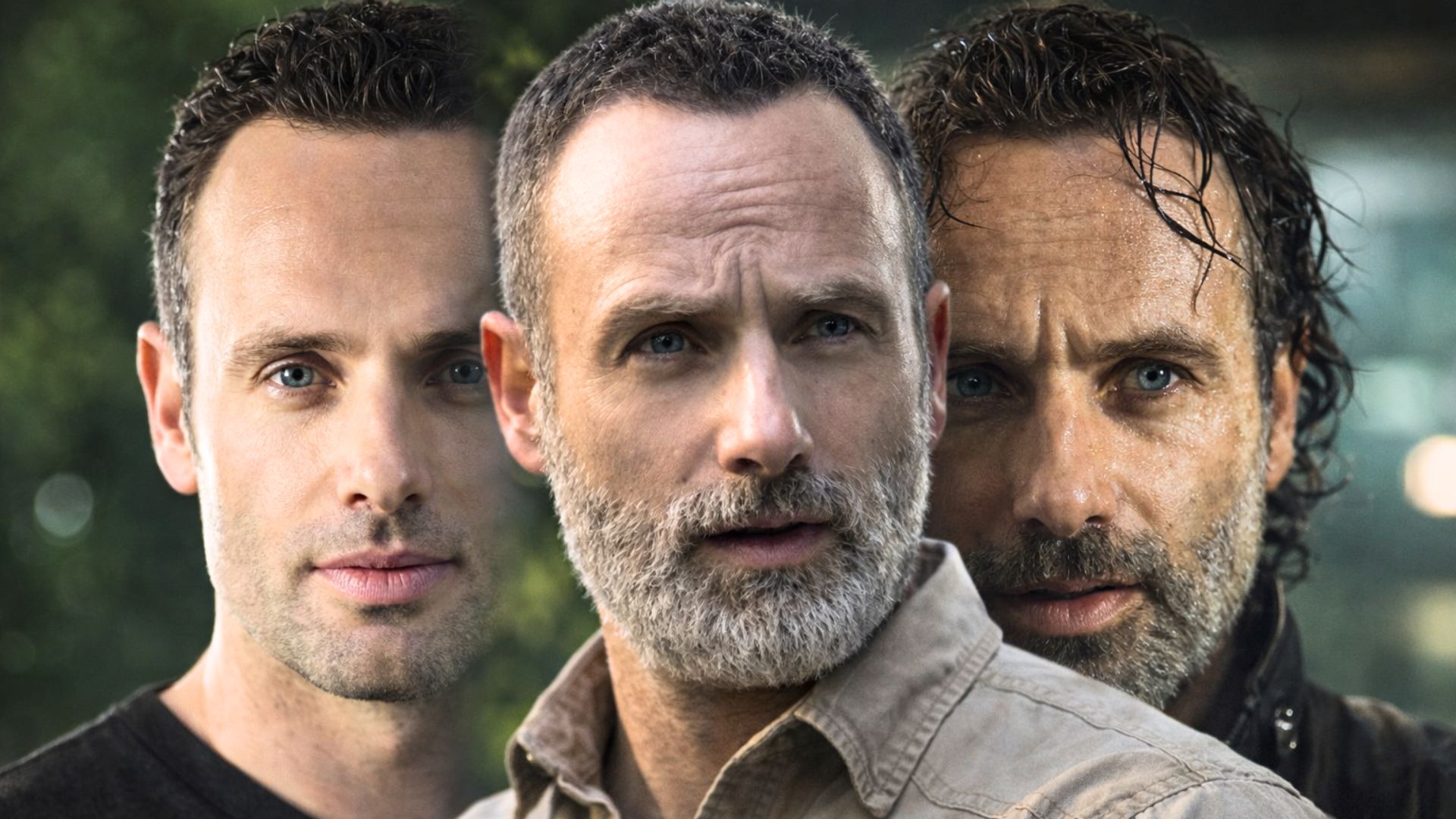
There’s a strange, slightly disorienting feeling that hits the moment Andrew Lincoln appears on screen in Coldwater: you keep waiting for him to grab a revolver, shout orders, or stare down the apocalypse. And that expectation — heavy, unavoidable, almost unfair — is exactly why his TV comeback has become such a lightning rod for debate.
Lincoln hasn’t just returned to television; he’s returned carrying the full emotional baggage of Rick Grimes. Coldwater, which premiered on Paramount Plus in the US after debuting on ITV and ITVX in the UK last September, seems to know that.
The series leans into unease rather than heroics, placing Lincoln in the role of John, a man whose life is quietly destabilised by a disturbing friendship with his neighbour. There are no walkers here, no grand speeches about survival. Instead, the threat is domestic, psychological, and deeply personal — the kind that seeps into your bones rather than exploding on impact.
Read also – Percy Jackson Season 2 Finale Review : Why Fans Are Still Talking About the Ending ?
That tonal shift has clearly unsettled audiences. On Rotten Tomatoes, Coldwater sits at a precarious 73 percent, technically “Fresh” but wobbling enough that a few more bad reviews could tip it the other way. American critics have generally been kinder, praising the cast and the show’s commitment to its psychological weirdness. Collider’s 7 out of 10 nods to its ambition, while Decider more or less shrugs and says, sure, it’s messy, but it’s entertainingly messy. That word — weird — comes up a lot, and it’s not meant as an insult.
Across the Atlantic, though, the knives came out faster. UK critics were far less forgiving, with complaints that the story feels rushed and, at times, implausible. The Independent slapped it with two stars and called it schlocky.
Read also –Steal TV Series Review: What the High-Stakes Thriller Gets Right About Power and Money?
The Daily Mail acknowledged the show’s willingness to poke at dark subject matter but couldn’t get past its shaky credibility. Then I went nuclear, awarding just one star and dismissing the whole thing as dreadful. It’s the kind of reception that suggests expectations were sky-high and patience was thin.
What’s fascinating is that even the harshest reviews tend to circle back to the same point: Andrew Lincoln himself isn’t the problem. His performance as John has been widely praised, and rightly so. He plays the character with a nervous restraint, letting silences and small reactions do the work.
It’s a reminder that Lincoln has always been strongest when he’s internalising fear rather than externalising it — a skill honed over years of surviving the undead, now redirected into something quieter and more unsettling.
Of course, no discussion of Lincoln in 2026 exists without The Walking Dead hovering in the background like a persistent ghost. He’s already hinted that a return to the franchise isn’t off the table, despite Rick Grimes’ story seemingly finding closure in The Ones Who Live. With spin-offs like The Walking Dead: Daryl Dixon expanding the universe, fans are reading between every line of every interview, hoping Coldwater is merely an intermission before another apocalypse.
Watching Coldwater, though, it’s hard not to feel that Lincoln is deliberately pushing against that expectation. This isn’t a triumphant comeback designed to please everyone. It’s awkward, divisive, occasionally frustrating — and oddly compelling because of it. I didn’t love every choice the show made, but I admired the nerve of it, and I couldn’t look away from Lincoln trying to redefine himself on screen. Whether audiences accept that or retreat back to the comfort of Rick Grimes might say more about us than it does about him.