
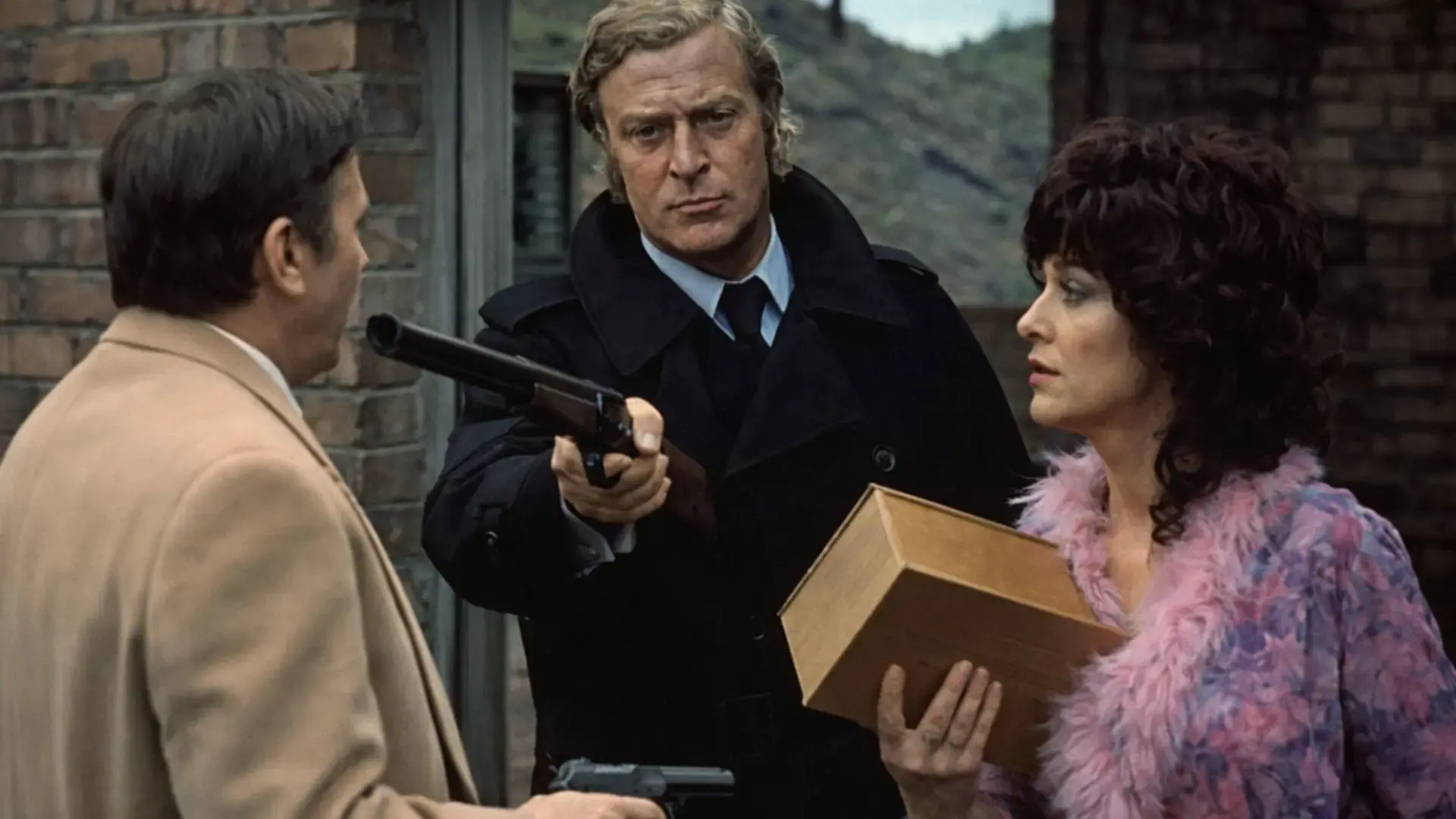
Today, Get Carter is widely regarded as the finest British gangster film ever put on screen.
But when it first arrived, the reaction could not have been more different.
More than five decades ago, Michael Caine stepped into the shoes of Jack Carter — a cold, ruthless enforcer — and shocked audiences who were unprepared for what they saw. Critics recoiled. The violence was deemed excessive. The tone was described as grim and unforgiving. Many assumed the film would disappear without a trace.
Instead, it became a classic — one that still resonates with viewers in Australia and beyond.
A Film the Critics Weren’t Ready For
Released at a time when British cinema often softened its criminals with humour or charm, Get Carter refused to play along. Its 112 minutes delivered a stark, unflinching portrait of crime, revenge and moral emptiness.
Looking back, Caine later explained why the backlash was inevitable.

“It was too realistic for those people who had become used to the choreographed nonsense you usually saw in those days,” he once said.
That realism, now praised, was precisely what unsettled critics in the early 1970s. The film’s bleak worldview and mounting body count felt confronting, even inappropriate, to an industry still adjusting to looser censorship rules.
Which raises a question that still fascinates film historians: how did such a hard-edged movie get made at all?
The Book That Started It All
The journey began on January 28, 1970, when director Mike Hodges received a package at home. Inside was a novel and a short note from producer Michael Klinger, suggesting Hodges might want to consider adapting it.
The book was Jack’s Return Home by Ted Lewis.
Its story followed Jack Carter, a London-based mob enforcer who travels north to investigate the suspicious death of his brother. His presence immediately unsettles local criminal networks, who fear his inquiries could expose their own operations.
Hodges was hooked.
The novel’s mix of murder, corruption, betrayal and grime felt authentic — and cinematic. From that moment, events moved quickly.
Thirty-Two Weeks to a Cult Classic
In just 32 weeks, Hodges wrote the screenplay, assembled the cast, secured locations, filmed the movie and completed the edit.
That pace was remarkable even by the standards of the time.
One creative decision proved crucial: relocating the story from Scunthorpe, where the novel was set, to Newcastle upon Tyne.
Newcastle as a Character in Its Own Right
In the early 1970s, Newcastle was a far cry from the nightlife destination it later became. Its industrial landscapes and visible poverty gave Get Carter a harsh visual edge that suited the story perfectly.
Read also – Agatha Christie’s Seven Dials Review: A Glossy Period Mystery That Feels Stuck in the Past
Hodges and Klinger toured the city together in Klinger’s white Cadillac, reshaping scenes to fit the locations they encountered. The city didn’t just host the film — it became part of its emotional texture.
Caine later reflected on the experience in his autobiography What’s It All About?, describing levels of deprivation he had never expected to see in Britain.
For Australian audiences used to cinematic portrayals of the UK’s glamour and class divide, the setting offered something confronting and new.
Casting Michael Caine Was a Gamble
By the time filming began, Michael Caine was already a major star. His résumé included Zulu, Alfie and The Italian Job. He was associated with wit, charm and the confidence of swinging London.
Jack Carter was none of those things.
The character was emotionally hollow, brutally efficient and entirely without humour. Taking the role carried real risk.
Read also – Inside Andre Agassi and Steffi Graf’s Marriage: The Simple Rule That Keeps Them Strong
Caine, however, felt personally connected to the part.
“In English movies, gangsters were either stupid or funny,” he said after the film’s release. “I wanted to show that they’re neither.”
He later went even further, calling Carter “the dead-end product of my own environment” and describing the character as “the ghost of Michael Caine”.
Securing the Film’s Financial Backing
Hodges later acknowledged that Caine’s involvement was essential.
His name secured funding and added a strange magnetism to a character who, on the page, offered little appeal. Despite being closely associated with London, Caine’s performance transcended geography.
Audiences followed him — willingly — into the bleak streets of Newcastle.
A Train, a Theme, and a Sense of Doom
To underline the divide between London and the north, Hodges opened the film with title shots filmed from the front of a speeding train — the same train carrying Carter towards his reckoning.
The director wanted music that matched the ominous rhythm of the journey.
Read also –The Rip story review – The Rip Delivers a Glossy Netflix Thriller With Affleck and Damon
Composer Roy Budd delivered exactly that.
His piece, Main Theme – Carter Takes a Train, became one of the most recognisable scores in British cinema history. Sparse, tense and deeply unsettling, it prepared audiences for the violence to come.
Release, Backlash, and Box Office Success
Get Carter premiered in Los Angeles on February 3, 1971, before opening in the UK the following month.
Reviews were harsh. Some critics objected not just to the violence, but to the way the film refused to soften Carter’s actions or offer moral reassurance.
Cinema-goers disagreed.
They turned out in large numbers, propelling the film to become the sixth most popular movie at the British box office in 1971.
The timing mattered.
Just two years earlier, the Kray twins had been convicted after Britain’s longest murder trial, fuelling public fascination with organised crime presented without gloss. Audiences were ready for a gangster film that treated its subject seriously.
A Legacy That Still Endures
More than 50 years on, Get Carter continues to attract new viewers — including Australians discovering it through streaming platforms and film retrospectives.
Read also – Woman Killed by Falling Tree Branch as Wild Weather Batters NSW and Eastern Australia
Its influence can be seen across decades of crime cinema, from Britain to Hollywood. Hodges, who died in 2022, later said he remained proud of what they achieved. And for Michael Caine, the role that once seemed dangerous became one of his defining performances.