
Iran War Sparks Fears of Petrol Shortage in Australia – Concerns about a potential petrol shortage in Australia are growing as tensions in the Middle East continue to disrupt global energy markets. Iran War Sparks Fears of Petrol Shortage in Australia –However, the government insists the country’s fuel supply remains stable for now.
Energy Minister Chris Bowen recently reassured Australians that national fuel reserves remain steady despite the ongoing conflict involving Iran and other regional powers.
According to Bowen, Australia continues to receive its expected fuel imports. Still, he acknowledged that some regional and rural areas have experienced temporary shortages, prompting government intervention.
Government Says Fuel Supplies Remain Stable
The federal government has attempted to calm fears about Australia running out of petrol.
Bowen stated that the nation’s fuel reserves are holding steady compared to the previous week, and international fuel shipments are continuing as scheduled.
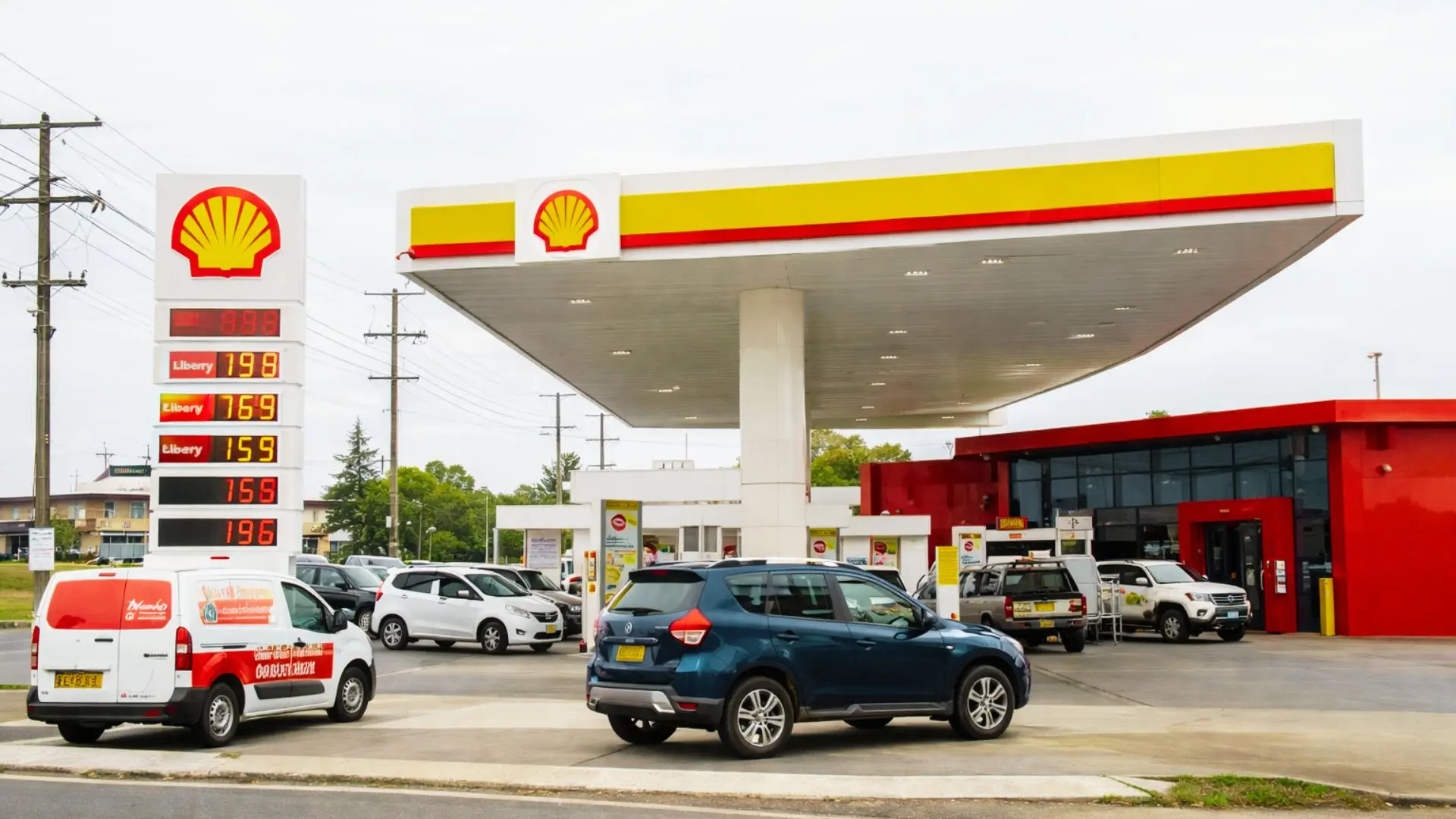
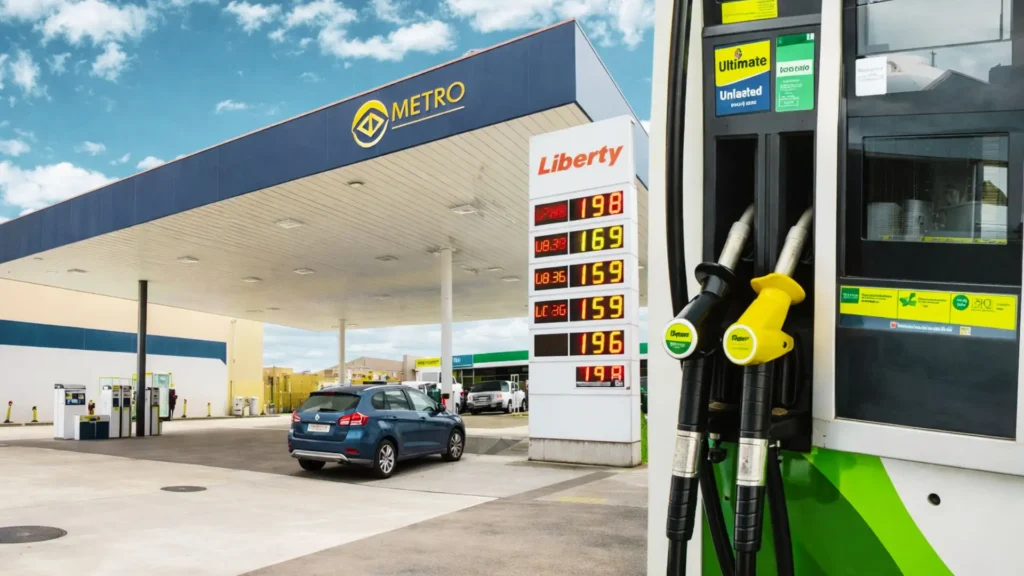
However, the situation on the ground has created anxiety among motorists. Some drivers have reported being turned away from service stations due to limited supply, while fuel prices have surged in several regions.
Experts Say Australia Is Unlikely to Run Out of Petrol
Economic analysts believe the risk of a nationwide petrol shortage remains low, though it cannot be completely ruled out.
Independent economist Saul Eslake explained that Australia will probably avoid a full-scale fuel crisis, but global instability has increased the level of risk.
He noted that the probability of shortages is higher now than during past geopolitical crises, including the Gulf War and the Russian invasion of Ukraine.
While a total supply collapse is unlikely, market volatility and supply chain disruptions could still affect availability and pricing.
Iran War Sparks Fears of Petrol Shortage in Australia
One reason Australia may avoid a severe shortage is that most of its petrol does not come directly from the Middle East.
Instead, the country imports large amounts of refined petroleum from Asian refining hubs.
Major Sources of Australia’s Refined Fuel Imports
| Country | Approximate Value of Fuel Imports |
| South Korea | $12.75 billion |
| Singapore | $8.5 billion |
| Malaysia | Significant volumes |
| India | Major refining partner |
| Taiwan | Additional refined supply |
| China | Supplemental supply |
| Brunei | Smaller volumes |
| Japan | Smaller volumes |
Only a relatively small amount of refined petroleum imports come from the United Arab Emirates and Oman.
The Hidden Link to Middle East Oil
Even though Australia imports refined fuel mainly from Asia, those refineries depend heavily on crude oil from the Middle East.
For example, much of the oil refined in South Korea originates from countries such as:
- Saudi Arabia
- Iraq
- United Arab Emirates
- Kuwait
- Qatar
- Oman
Similarly, more than one-third of Singapore’s crude oil supply comes from Arab nations.
This means that instability in the Middle East can still affect Australia’s fuel supply indirectly through global supply chains.
Australia’s Crude Oil Imports and Exports
In 2024, Australia imported about $7 billion worth of crude oil, but most of it came from countries outside the Middle East.
Major Crude Oil Suppliers to Australia
- Malaysia
- Vietnam
- Brunei
- United States
Only around 6% of crude oil imports came from the UAE, and no other Arab nations supplied significant volumes directly to Australia.
Interestingly, Australia exports almost as much crude oil as it imports, highlighting the complex nature of global energy trade.
Australia Is Still a Major Energy Exporter
According to economist My Bui from AMP Limited, Australia’s overall energy situation is stronger than many people realize.
While the country imports most of its refined petrol and diesel, it exports large quantities of energy resources.
These include:
- Liquefied natural gas (LNG)
- Coal
- Crude oil
Because of these exports, Australia remains a net energy exporter overall, even though it relies heavily on imported refined fuel.
Strategic Fuel Reserves Could Be a Weak Spot
One concern raised by analysts involves Australia’s strategic fuel reserves.
A significant portion of Australia’s emergency oil stockpile is stored overseas in the United States as part of international energy security agreements.
Read also – Major Superannuation Tax Change Nears Approval After Greens Strike Deal with Labor
Eslake warned that if the US needed those reserves for its own domestic supply, it could potentially prioritize its own needs over allied countries.
This arrangement has occasionally been criticised by energy security experts.
Why Australia Imports Refined Petrol Instead of Making It
Many Australians wonder why the country exports crude oil but imports petrol.
The reason is largely economic and industrial.
Read also – Australia Sees Decline in Household Spending as Cost-of-Living Pressures Grow 2026
Australia has limited domestic refining capacity after several refineries closed over the past decade. Refining crude oil in large Asian facilities is often cheaper than producing petrol locally.
Expanding refining capacity in Australia could help energy security, but experts warn it would likely increase fuel prices significantly.
Petrol Prices Could Still Rise
Even if Australia maintains adequate petrol supplies, consumers could still face higher fuel prices.
Read also – Speed Camera Rule Changes in Australia: New Tolerances Could Reduce Fines for Drivers
Oil prices are set on the global market, meaning a barrel of oil produced in Australia typically sells at similar prices to one produced in the Middle East.
As a result, geopolitical tensions—such as the ongoing conflict involving Iran—can push fuel prices higher worldwide, including in Australia.
FAQs
1. Could Australia actually run out of petrol?
Experts believe a complete shortage is unlikely, but supply disruptions and higher prices remain possible if global tensions worsen.
2. Where does Australia import most of its petrol from?
Most refined petrol imports come from Asian refining hubs such as South Korea and Singapore.
3. Does Australia rely heavily on Middle Eastern oil?
Not directly. However, many Asian refineries supplying Australia rely on crude oil sourced from Middle Eastern countries.
4. Why doesn’t Australia refine its own oil?
Australia’s domestic refining capacity is limited, and refining petrol overseas is generally cheaper.
5. Could the Iran conflict increase petrol prices in Australia?
Yes. Because oil prices are determined globally, instability involving Iran can push up fuel prices worldwide, including in Australia.