
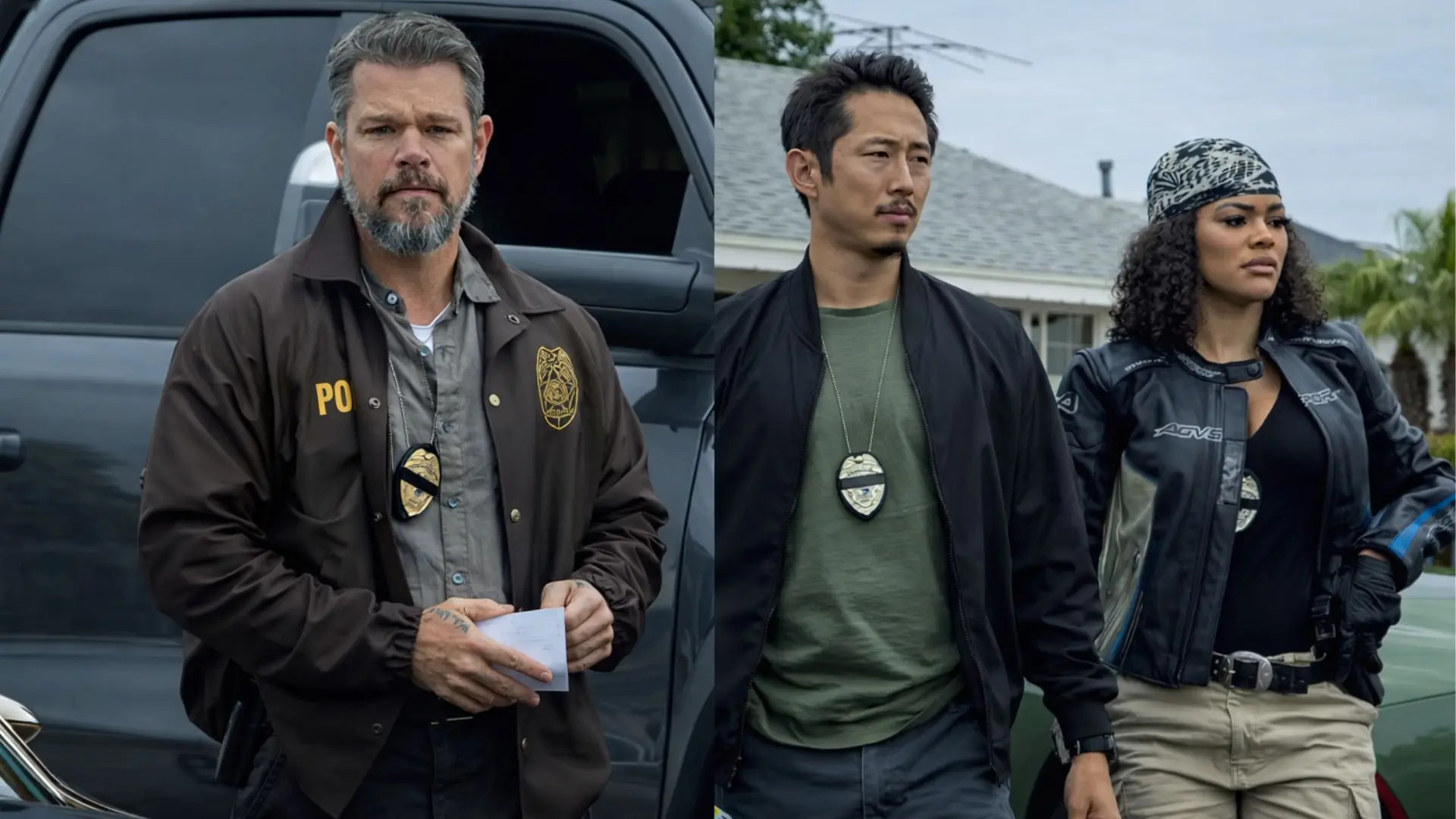
For the past few weeks, a strange little question has been popping up in Australian group chats, movie forums and late-night Google searches: Is The Rip a true story? And what’s Ben Affleck got to do with it?
It’s one of those moments where online curiosity snowballs. Someone sees a clip. Someone else sees a headline. Before you know it, people are asking whether they missed a real-life scandal, a forgotten crime, or some hidden chapter of American history that somehow slipped past them.
That confusion alone tells you why this story has legs.
Where the talk about The Ripstarted
Ben Affleck is no stranger to films that feel real. He’s built a career playing damaged, complicated men in stories that look like they could have been pulled from a court transcript or a police file. So when his name gets attached to something called The Rip, it instantly sets off alarms in people’s heads.
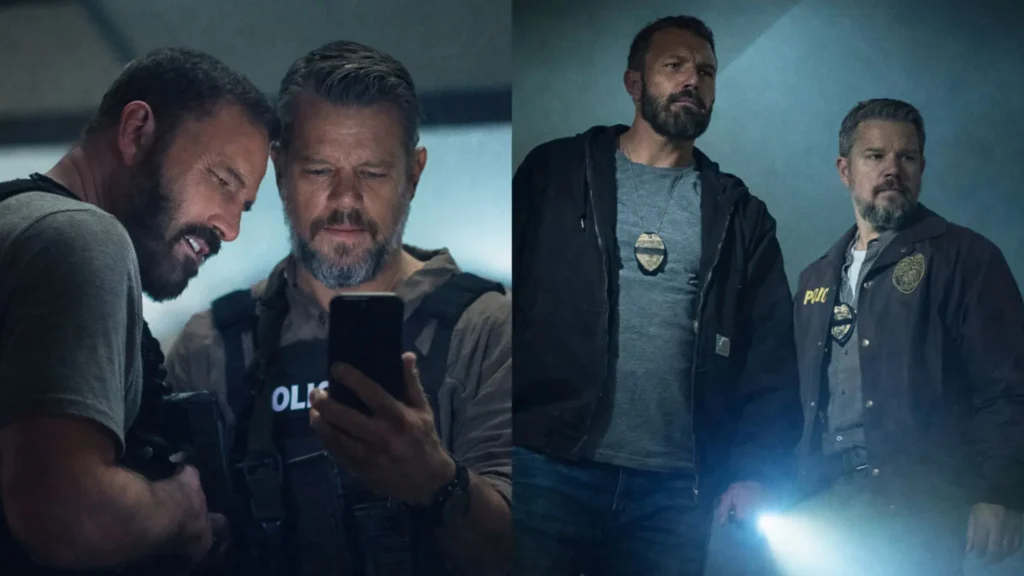
Australians, especially, tend to be sceptical but curious. We’ve all grown up on a steady diet of “based on a true story” films that turn out to be… generously inspired. Think about the conversations after Argo came out. Or The Town. Or Gone Girl. People loved the drama, but they also wanted to know what parts were real and what parts were pure Hollywood.
The Rip landed right in that same space.
Is The Rip actually a true story?
Short answer? Not in the way people think.
Despite what some social posts suggest, The Rip is not a straight retelling of a real-life event with names and dates you can look up in a history book. There’s no single crime file, no courtroom footage, no Australian-style coronial inquest waiting to be rediscovered.
What it is, according to how it’s being talked about, is a story shaped by real themes — crime, moral compromise, power, and the personal cost of crossing certain lines. That’s often where the “true story” myth starts.
When filmmakers say something is “inspired by real events”, they usually mean the emotional truth, not the literal facts. A mood. A type of person. A situation that could happen.
That grey area is where Affleck seems most comfortable.
Why Ben Affleck fits this kind of story
Affleck’s screen persona has changed a lot over the years. He’s no longer the glossy Hollywood hero. These days, he plays men who look tired before they even open their mouths.
That resonates with audiences here.
Australians tend to respond better to flawed characters than shiny ones. We’re more likely to believe a story when it shows people making bad decisions for understandable reasons. Money pressure. Loyalty. Fear. Pride.
So when people hear Affleck is involved in something gritty like The Rip, the assumption is that it must be grounded in reality somehow. Even if it’s not literally true, it feels emotionally honest.
That’s why the question keeps coming up.
Why Australians are talking about it
There’s also something familiar in the themes being whispered about.
Stories about crime, corruption and personal collapse always land differently during uncertain times. With cost-of-living pressure, housing stress, and job insecurity being part of everyday conversation in Australia right now, people are more sensitive to narratives about desperation and risk.
You see it in the way Aussies talk about crime dramas at work or over dinner. Not with glamour, but with a kind of grim recognition.
“That could happen.”
“I know someone like that.”
“I can see how it starts.”
Read also- Sweet Talking Tour Announced Ahead of January Single and Perth Festival Show
That’s the lens many people are bringing to The Rip, whether or not it’s factual.
The danger of the “true story” label
There’s a reason filmmakers love hinting at reality. It raises the stakes. It makes people lean in.
But it can also mislead.
Australians are pretty good at calling that out. You can see it online already — comments pointing out that no one can find records, no confirmed real-life case, no verified background. Just vibes and speculation.
Read also – AST SpaceMobile Stock Soars on Major Government Contract Announcement
That doesn’t mean the story is pointless. It just means it should be watched for what it is: a dramatic interpretation of human behavior, not a documentary.
And honestly, that’s often when films work best.
A familiar pattern in modern storytelling
The Rip fits into a broader trend we’re seeing across film and streaming platforms. Stories are being marketed as “real” or “raw” because audiences are tired of fantasy without consequence.
People want weight. They want stakes. They want something that feels like it could touch their own lives, even if it doesn’t literally come from them.
Read also- Retirees Now Spend 70% of Their Income on Essentials — What That Means for Your Budget
We’ve seen the same thing with true-crime podcasts exploding in popularity here, from suburban mums listening on school runs to tradies streaming episodes on site. Reality-adjacent storytelling is having a moment.
The Rip is riding that wave.
What happens next
As more details come out and the marketing sharpens, the confusion will probably settle. People will stop asking whether it’s true in a factual sense and start talking about whether it feels true.
That’s usually the real test.
Read also- Superannuation Gap Revealed: Women in Australia More Worried About Retirement Than Men
If Affleck delivers another grounded, uneasy performance, the question of authenticity may not matter much. Australians don’t need a story to be real to recognize something real in it.
Sometimes, a film doesn’t need a true story behind it to say something true about people.
And that’s likely where The Rip will end up — not as a historical account, but as another uncomfortable mirror held up to human choices, ambition, and consequence.
Whether you believe it or not, that’s usually what gets people talking long after the credits roll.